Financial Assistance
Orange Soil & Water Conservation District Cost Share Programs
The Orange Soil & Water Conservation District has a variety of cost share programs available. Each program offers best management practices targeted to meet specific program goals. These programs help address agricultural, rural, and urban water quality and water resource issues. Typically, 75% cost share assistance can be provided to an applicant to install best management practices that improve or increase water resources in Orange County.
Agricultural Cost Share Program (ACSP)
“The ACSP helps address nonpoint source pollution by providing technical and financial resources through a voluntary, incentive-based program designed to improve water quality through the installation of various best management practices (BMPs) on agricultural lands directly involved in agricultural production.”
-NCDA&CS Division of Soil & Water Conservation
Agricultural Cost Share Program Purpose
The major cause of water quality problems in North Carolina and in much of the United States is nonpoint source pollution. In many places, damage to our water resources comes from soil erosion, excessive fertilizer use, animal waste contamination, and improper use of agricultural chemicals.
Agricultural Cost Share Program Goals
The goals of the North Carolina Agricultural Cost Share Program (ACSP) helps address nonpoint source pollution by providing technical and financial resources through a voluntary, incentive-based program designed to improve water quality through the installation of various best management practice (BMPs) on agricultural lands directly involved with agriculture production.
To be eligible for North Carolina Agricultural Cost-Share Program
The Producer/landowner must meet the following:
-Having agricultural operation more than 3 years
-Producers who follow under bona fide farm (G.S. 160D‑903(a)) can be determine as having one of the following:
- -A farm sales tax exemption certificate issued by the Department of Revenue.
- -A copy of the property tax listing showing that the property is eligible for participation in the present-use value program
- -A copy of the farm owner’s or operator’s Schedule F from the owner’s or operator’s most recent federal income tax return.
- -A forest management plan.
Common ACSP BMPs
- Cover Crop
- Cropland Conversion
- Pasture Renovation
- Sod Based Rotation
- Field Border
- Grassed Waterway
- Agricultural Road Repair
- Heavy Use Area Protection
- Watering Tank
- Livestock Exclusion Fencing
- Stocktrails
For more information and a full list of ACSP best management practices please visit the NC Soil and Water Cost Share page
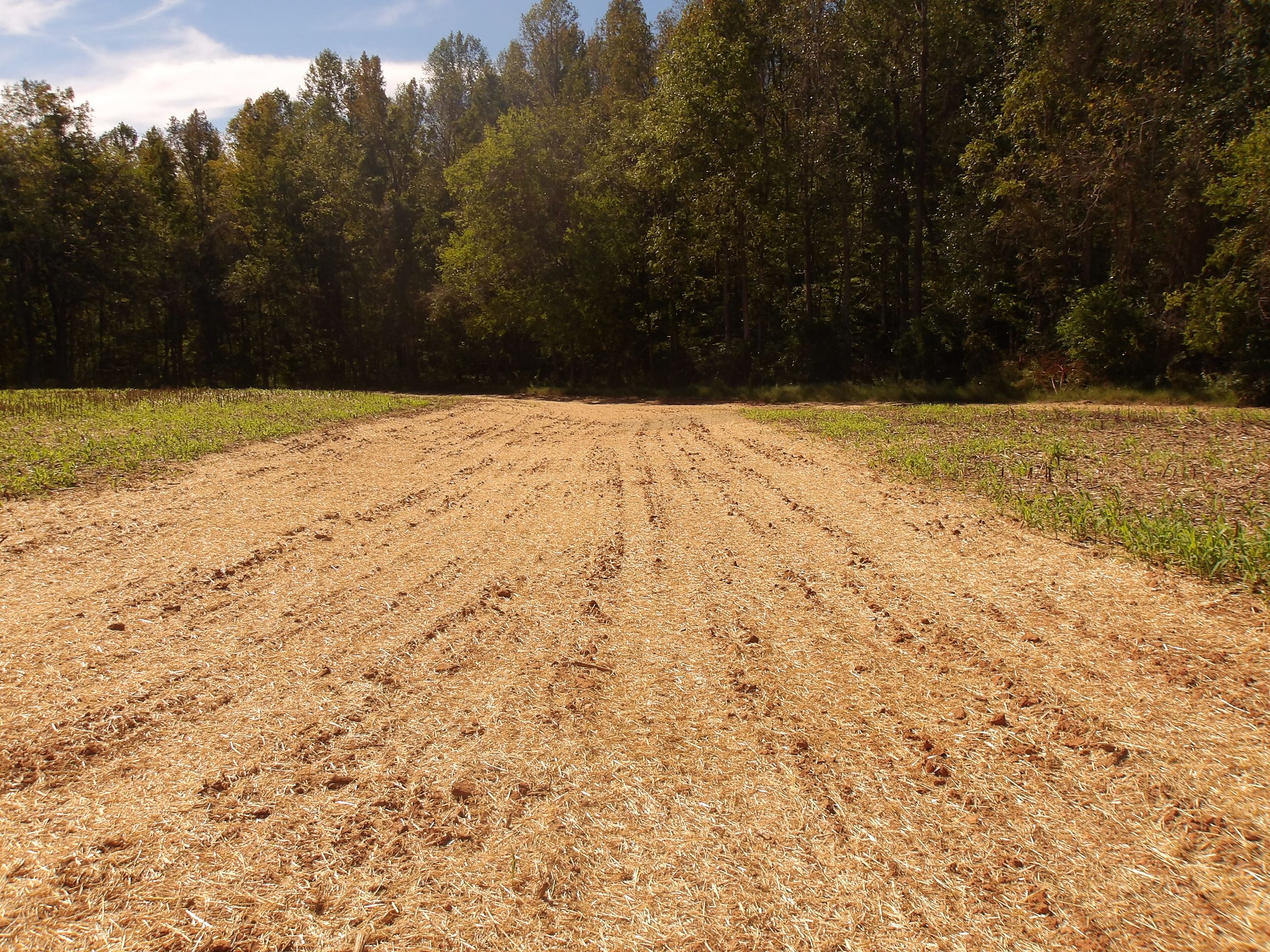
Agricultural Water Resources Assistance Program (AgWRAP)
“The purpose of the AgWRAP is to identify opportunities to increase water use efficiency, availability, and storage, and to implement best management practices to conserve and protect water resources.”
-NCDA&CS Division of Soil & Water Conservation
North Carolina AgWRAP Purpose:
-Identify opportunities to increase water use efficiency, availability, and storage.
-Implement best management practices (BMPs) to conserve and protect water resources.
-Increase water use efficiency.
-Increase water storage and availability for agricultural purposes.
North Carolina AgWRAP Goals
-The goals of the NC AgWRAP program are to increase water use efficiency, storage, and availability as well as conserve and protect water resources, landowners are directly contributing to the long-term resilience and sustainability of agriculture in North Carolina.
Who is Eligible for NC AgWRAP?
-If you are a landowner or renter of an existing agricultural operation that has been operating for more than one year, you are eligible to participate. Cooperator must make less than $250,000 or have 75% or more of their income supported through agricultural operations.
Landowners must also meet one of the following requirements below:
-Producers who follow under bona fide farm (G.S. 160D‑903(a)) can be determine as having one of the following:
- -A farm sales tax exemption certificate issued by the Department of Revenue.
- -A copy of the property tax listing showing that the property is eligible for participation in the present-use value program
- -A copy of the farm owner’s or operator’s Schedule F from the owner’s or operator’s most recent federal income tax return.
- -A forest management plan.
Common AgWRAP BMPs
- Water Supply Well
- Agricultural Pond Sediment Removal
- Agricultural Pond Repair/Retrofit
- Conservation Irrigation Conversion
For more information and a full list of AgWRAP best management practices please visit the NC Soil and Water AgWrap page.
Community Conservation Assistance Program (CCAP)
“The purpose of the Community Conservation Assistance Program is to reduce the delivery of nonpoint source (NPS) pollution into the waters of the State by installing best management practices (BMPs) on developed lands not directly involved in agricultural production. Through this voluntary, incentive-based conservation program, landowners are provided educational, technical, and financial assistance.”
-NCDA&CS Division of Soil & Water Conservation
Community Conservation Assistance Program Overview:
Funds for this program are allocated by the state of North Carolina and administered by the NC Soil and Water Conservation Commission. CCAP funds are typically allocated to each region of North Carolina (mountains, piedmont, and coast). Soil and Water Conservation Districts may submit applications for projects to the state for consideration through the Regional Application Process. Applicants may be reimbursed up to 75% of the average cost or actual cost for best management practices with a preapproved cost-share contract.
To be eligible for North Carolina Community Conservation Assistance Program
Applicants may include homeowners, businesses, schools, parks, and publicly owned lands. All sites must have been developed for three years or more to be eligible for cost share assistance.
Common CCAP BMPs
- Abandoned Well Closure
- Backyard Rain Garden
- Backyard Wetland
- Cistern
- Critical Area Planting
- Grassed Swale
- Impervious Surface Conversion
- Riparian Buffer
- Streambank and Shoreline Protection
For more information and a full list of CCAP best management practices please visit the NC Soil and Water Cost Share page.
Technical Assistance
- Row Pattern Layout
- Have us come out and assist with row pattern layout to optimize drainage while minimizing erosion and nutrient loss
- Conservation Plan
- Conservation plans outline a strategy for managing and protecting natural resources for long-term health while considering economic and social needs. These plans serve as a roadmap for achieving specific conservation goals.
- Erosion and Nutrient Management Concerns
- We can provide technical advice and solutions on sediment and nutrient loss on agricultural operations.
- Pond Site Assessment
- Thinking about building at pond? Have us come out and assess the site for the suitability of a pond.
Conservation Reserve Enhancement Program (CREP)
What is CREP?
The Conservation Reserve Enhancement Program also known as CREP, is a voluntary program to encourage private landowners to take agricultural land along streams, ditches, and wetlands out of production and to establish riparian buffer zones. The purpose of establishing riparian buffer zones is to reduce non-point source pollution and sedimentation from agriculture operations while also enhancing native wildlife habitat.
Who is Eligible?
Agriculture lands with a cropping or grazing history in one of the 9 river basins or 76 counties are eligible for the CREP program. Up to 300 feet from a qualifying watercourse can be enrolled in one of the conservation practices. Landowners must have owned the land for at least one-year.
Financial Incentives and Enrollment Options
The CREP program offers financial incentives to landowners for the purpose of helping offset agriculture income loss where buffers are established. Financial incentives are based on the term of enrollment. Contact a NC CREP Specialist or USDA Farm Service Agency to determine eligibility.
For more information about CREP NC Division of Soil and Water webpage at Division CREP Page
Additional Information
Contact us at 919-245-2750 to help you determine which program best fits your situation.